
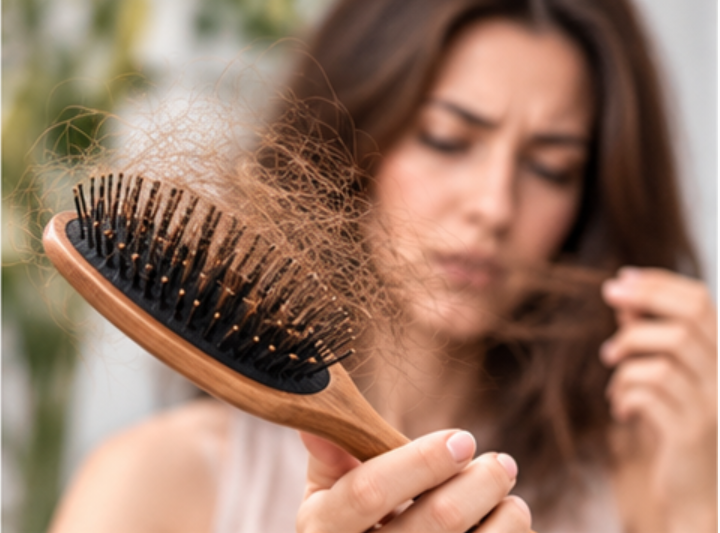
Finding short strands of hair on a pillow, in a hairbrush or around the bathroom can be concerning. It is easy to assume that the hair is falling out, but not every loose strand has come from the root. Sometimes the problem is breakage, where the hair shaft becomes weakened and snaps before reaching its natural length.
Although hair breakage and hair loss can look similar at first, they are different concerns. Understanding the distinction can help people make better decisions about their hair care, styling habits and the professional advice they may need.
What actually happens when hair breaks?
Each strand of hair has an outer protective layer known as the cuticle, which consists of overlapping cells that help protect the inner structure. When this outer layer becomes damaged, the hair can become rougher, less flexible and more vulnerable to friction.
Repeated physical stress, excessive heat and certain chemical processes can gradually weaken the hair. Eventually, individual strands may snap, leaving shorter pieces throughout the hair or uneven-looking ends.
Breakage does not always happen suddenly. It can develop gradually, particularly when the hair is exposed to several sources of stress over an extended period. Someone may notice that their hair no longer seems to retain its length, even though it continues to grow from the scalp.
The condition of the ends can offer useful clues. Hair that feels rough, appears uneven or contains many short, broken sections may benefit from a closer assessment of its treatment and styling history.
Hair breakage versus hair shedding
Natural hair shedding is part of the normal growth cycle. Individual hairs eventually reach the end of their growth phase and are released from the scalp, making room for new growth.
A shed strand generally has its full length, whereas a broken strand is often shorter and may have an uneven or frayed end. This distinction is not always easy to identify, particularly when the hair has several different lengths.
Breakage can make the overall hairstyle appear thinner or less even, but it does not necessarily indicate that the follicles have stopped producing hair. Conversely, persistent or unusual shedding may have causes that cannot be identified through a visual assessment of the hair alone.
If someone experiences sudden, significant or ongoing hair loss, scalp changes or unexplained thinning, it is sensible to seek advice from a qualified healthcare professional. A hairdresser can help assess the condition of the hair shaft, but cannot diagnose medical causes of hair loss.
The role of heat styling
Heat styling can contribute to breakage when it is used too frequently or without sufficient care. Blow-dryers, straighteners and curling tools expose the hair to elevated temperatures, which can affect its moisture balance and structural integrity.
The risk is influenced by several factors, including the temperature, frequency of use, condition of the hair and styling technique. Repeatedly passing a hot tool over the same section, for example, creates unnecessary exposure.
A more considered approach begins with choosing the appropriate temperature and avoiding excessive repetition. Hair should be prepared properly before heat styling, and tools should be used in a controlled manner rather than rushed through the process.
It is also worth considering how often a particular finish is genuinely needed. Not every hairstyle requires daily heat application, and allowing the hair occasional breaks from intensive styling can help reduce cumulative stress.
Chemical treatments and accumulated damage
Colouring, lightening and chemical straightening can change the internal structure of hair. When these services are performed carefully and at appropriate intervals, they can form part of a professional hair routine. Problems are more likely to arise when the hair is repeatedly processed without sufficient consideration of its existing condition.
Previously lightened sections, for example, may be more vulnerable than untreated roots. Applying another chemical process across the entire length without assessing those differences can increase the risk of damage.
This is why a thorough consultation matters before any significant colour or chemical service. A stylist should understand the hair’s history, assess its condition and explain what can realistically be achieved.
Sometimes the most responsible recommendation is to delay a treatment, adjust the intended result or work gradually over several appointments. Protecting the integrity of the hair should remain part of the decision.
Everyday habits that contribute to breakage
Not all breakage comes from professional salon services. Everyday habits can also place stress on the hair, particularly when several small sources of friction occur repeatedly.
Brushing aggressively, especially when the hair is wet and more vulnerable to stretching, can cause unnecessary damage. Tight hairstyles may place repeated tension on particular sections, while rough towel-drying can create friction between strands.
The way hair is handled during washing and drying also matters. Detangling gently, working through knots without pulling and choosing suitable brushes can make everyday care more manageable.
Even clothing and accessories can contribute to friction. Hair that repeatedly rubs against rough fabrics or catches on fastenings may become more fragile around the same areas.
These factors rarely need dramatic solutions. Often, small changes in handling and styling habits are enough to reduce avoidable stress.
Can damaged hair recover?
Hair that has already broken cannot biologically repair itself in the way living tissue can. However, its appearance and manageability can often be improved through appropriate care.
Conditioning treatments can help reduce friction and make the hair feel smoother. Suitable products may also improve softness and make detangling easier, helping to prevent further mechanical damage.
Trimming damaged ends can remove sections that are particularly weak or split. It does not make hair grow faster, but it can help create a neater appearance and prevent existing splits from travelling further along the strand.
The approach should be realistic. A product cannot permanently restore a severely damaged strand to its original condition, and excessive treatments may not be necessary. The aim is to improve how the hair feels, minimise further damage and support healthy new growth.
Building a more sustainable hair routine
Understanding breakage changes the way people approach hair care. Instead of responding to every short strand with another treatment or product, it becomes more useful to identify the habits and processes that may be contributing to the problem.
A professional hairdresser can assess the visible condition of the hair, discuss its treatment history and recommend suitable changes to cutting and styling practices. The advice should reflect the individual’s hair rather than rely on a standard routine.
For anyone unsure whether their hair needs a different cut, gentler styling or a change in its care routine, a conversation with the team at Windle London can be a useful starting point.
Ultimately, stronger-looking hair is often the result of consistent, sensible care rather than a single product or treatment. Recognising the difference between breakage and shedding is the first step towards making decisions that are appropriate for the hair’s actual needs.