
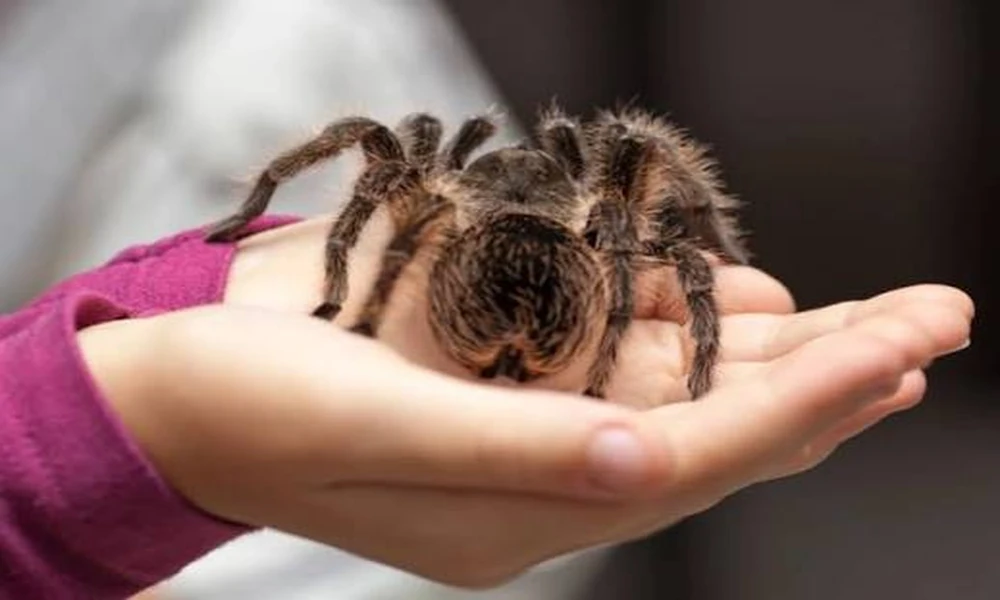
A tank the size of a shoebox, tucked on a shelf, doing more for someone’s evenings than a much bigger animal ever managed to. That’s not a hypothetical. It’s how a growing number of keepers describe their first serious brush with Invertebrates, usually somewhat surprised by their own reaction to it.
Nobody plans for this, typically. Most people who end up keeping isopods or springtails or millipedes arrive there sideways, often through something else entirely. A reptile that needed a cleanup crew. A partner who already had a colony going. A rabbit hole that started with one curious purchase and somehow didn’t stop.
The behaviour is the actual draw
This is where a lot of the “why bother” scepticism tends to fall apart on contact. People who haven’t spent time with a colony assume there’s nothing much to watch. People who have will usually say the opposite, that there’s more going on than expected, just at a scale and pace that takes some getting used to.
Colonies have their own rhythm. Numbers climb slowly, dip occasionally, recover. Species establish territory in a loose sort of way. None of it announces itself the way a dog greeting you at the door does, but it rewards attention in a different register, one that most keepers say they didn’t expect going in.
There’s also something to be said for the sheer variety on offer. Within Invertebrates as a hobby, the range runs from muted, easy-going species suited to a first attempt through to strikingly patterned morphs that collectors chase for years. Few hobbies scale that broadly on that little space or budget.
A quieter kind of commitment
None of this means the hobby is effortless. Colonies still need the right humidity, the right substrate, occasional feeding, and enough patience to let a population establish before expecting much from it. What’s different is the shape of the commitment. It’s steady rather than demanding, present rather than urgent.
That distinction seems to be a big part of what’s drawing people in. Traditional pets ask for daily, immediate attention. A bioactive enclosure asks for good setup work up front and then mostly asks to be left alone, checked on rather than managed constantly.
Where the appeal really sits
None of this is a case against traditional pets. It’s more that the two aren’t really doing the same job. One offers companionship in the usual sense. The other offers something closer to a small, self-sustaining world that happens to live on a shelf, one that keeps working whether or not anyone’s watching that particular evening.
For a growing number of keepers, that trade has turned out to be the more interesting one. Not because it replaces what a traditional pet offers, but because it was never really trying to.