
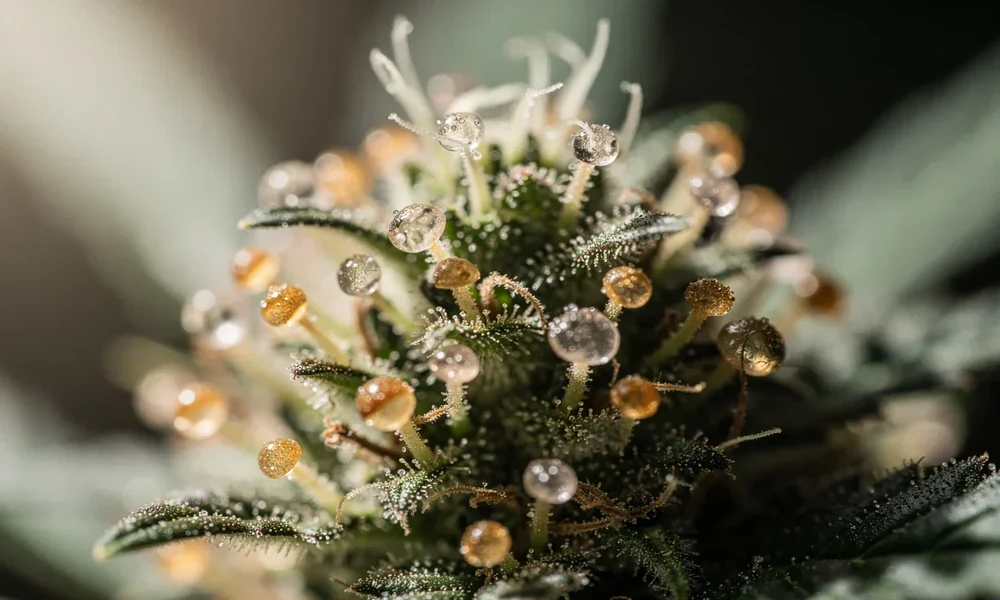
Bud structure is a key indicator of THCA flower quality, as it is defined by trichome coverage, color, and aroma. Each characteristic is indicative of a distinct stage in cultivation and post-harvest handling. These physical indicators are observable before any laboratory report is consulted, making structural assessment a practical first step in evaluating flower integrity. Selecting the best thca flower requires familiarity with what each structural characteristic communicates about growing conditions, harvest timing, and curing precision. Growers who manage these stages carefully produce flowers with consistent physical markers that distinguish a high-quality product from inferior alternatives at the point of purchase. Exploring each indicator independently allows buyers to form a complete quality assessment before reviewing any supporting documentation from the supplier.
Bud density indicators
Bud density can be used as a confirmation that light intensity, nutrient delivery, and flowering duration have been correctly managed by the cultivator during cultivation. When a bud is dense, it can resist light compression, hold its shape even when gently compressed, and carry a noticeable amount of weight compared to its physical size. Crushed or collapsed flowers indicate underdeveloped growth or premature harvest, which reduces cannabinoid concentration below the strain’s potential. Without specialized equipment, structural firmness and visible trichome development provide a reliable indication of cultivation quality.
Trichome coverage depth
Trichome density across the bud surface directly measures cannabinoid and terpene production capacity at harvest. Quality flowers carry a visible frosted layer across both the calyx and surrounding sugar leaves, appearing white or pale silver under natural light. Sparse coverage signals either a low-potency cultivar or growing conditions that limited resin output during flowering. A small loupe magnifier confirms whether frosting is fully developed across the entire surface or concentrated only at the most exposed points of the bud.
Colour moisture balance
Green hues with complementary purple, orange, or gold undertones are a good indication that the breeders and curing process have done their job correctly. A brown or grey discoloration on the flower refers to oxidation, which reduces potency as well as terpene content from levels that are ideal for quality flower, both of which are a result of oxidation. A flower that snaps cleanly off the stem without crumbling has been cured within the appropriate humidification range when the stem snaps cleanly off the flower. Typically, this level of relative humidity is between 55 and 62 percent. Flowers that are overly dry will lose terpene content rapidly, while flowers that are overly moist will compromise shelf stability and are more likely to degrade.
Aroma profile indication
Strong, strain-specific aroma released immediately upon handling confirms intact terpene content and structural preservation through the curing process. Weak, flat, or hay-like odour indicates poor curing, excessive drying, or prolonged oxygen exposure, all of which degrade physical structure alongside aromatic quality. A pronounced scent corresponding to the listed cultivar profile confirms that terpenes were preserved throughout the drying and storage process from harvest through delivery. Aroma assessed alongside visual structure gives a complete quality picture without requiring laboratory equipment at the point of purchase.
Bud structure provides a practical, equipment-free method for evaluating THCA flower quality before any purchase is finalised. Density, trichome coverage, colour, and aroma each reflect specific cultivation and post-harvest decisions that determine whether the flower meets a consistent standard of potency and freshness across repeated purchases.