
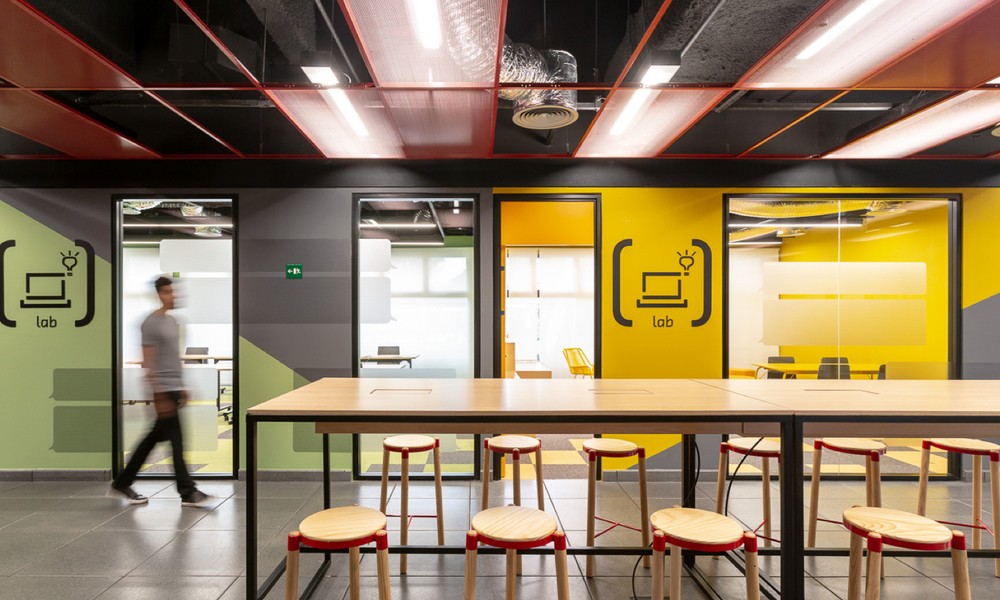
Clear navigation is more important than ever in a complex built environment. Visitors expect seamless movement through spaces in establishments like hospitals or airports, for example. It is where getting help from professional wayfinding services is an advantage.
Many businesses partner with specialized design firms. It helps them create intuitive navigation systems to enhance user experience and strengthen brand identity. The Wayfinding design LA highlights how localized expertise delivers customized solutions for specific urban environments.
Understanding wayfinding and its role in design
Wayfinding refers to information systems. It guides people through physical environments and helps them understand spaces more easily. It involves a combination of:
- signage
- environmental design
- digital tools
- visual communication
All the tools will help to support navigation.
Modern wayfinding design is highly interdisciplinary. It combines with:
- architecture
- graphic design
- psychology
- user experience planning
The combination of those creates environments that are easy to understand. The effective wayfinding systems rely on multiple sensory cues, including:
- visual signage
- spatial layout
- accessible communication methods
Design firms specializing in wayfinding focus on:
- how people move through spaces
- how visual and environmental cues
These will guide them naturally and efficiently.
Core services offered by wayfinding design providers
Wayfinding design firms offer a full range of services, which is more than creating signs.
Wayfinding strategy development
Wayfinding strategy development is a primary service that involves:
- defining the user journey
- determining where information should appear
- creating systems that simplify navigation
- supporting safety and clarity
Signage design and system creation
It is another essential service that a design provider offers to the public. Designers develop essential ideas to ensure consistency throughout the space, such as:
- visual sign families
- material specifications
- branding elements
The systems include:
- directional signs
- identification signs
- maps
- interpretive displays
Those will function as communication tools and design elements.
Technical documentation and project management
The design firm ensures designs are properly fabricated and installed according to:
- project requirements
- building standards
Site audits and user research
The provider conducts site audits and user research to:
- evaluate existing systems
- identify improvement opportunities
The research-driven approach ensures solutions are practical and user-centered.
The two elements of wayfinding design
Detailed planning
Successful wayfinding begins with detailed planning. Designers evaluate:
- entry points
- key destinations
- traffic flow
Those are needed before creating sign location plans and message schedules. The structured approach ensures signs appear exactly where users need them most.
Mapping
User journey mapping is another valuable service. It analyzes how different groups move through a space. Design firms can create navigation systems that reduce confusion to improve visitor satisfaction.
Digital and inclusive wayfinding solutions
Modern wayfinding design includes digital solutions, such as:
- interactive kiosks
- mobile integration
- real-time updates
These tools allow users to access navigation information instantly and adapt to changing environments.
Inclusivity is another major focus. Many firms design systems that include:
Branding and environmental integration
Wayfinding services strengthen brand identity. Designers ensure to reflect the client’s brand in the following:
The approach makes the navigation a seamless part of the overall visitor experience.
Conclusion
Working with a professional design firm ensures navigation systems are functional. The visuals are visually engaging and strategically aligned with business goals. Wayfinding services remain a vital part of modern design. It transforms confusing spaces into intuitive, welcoming environments that people can navigate easily.