
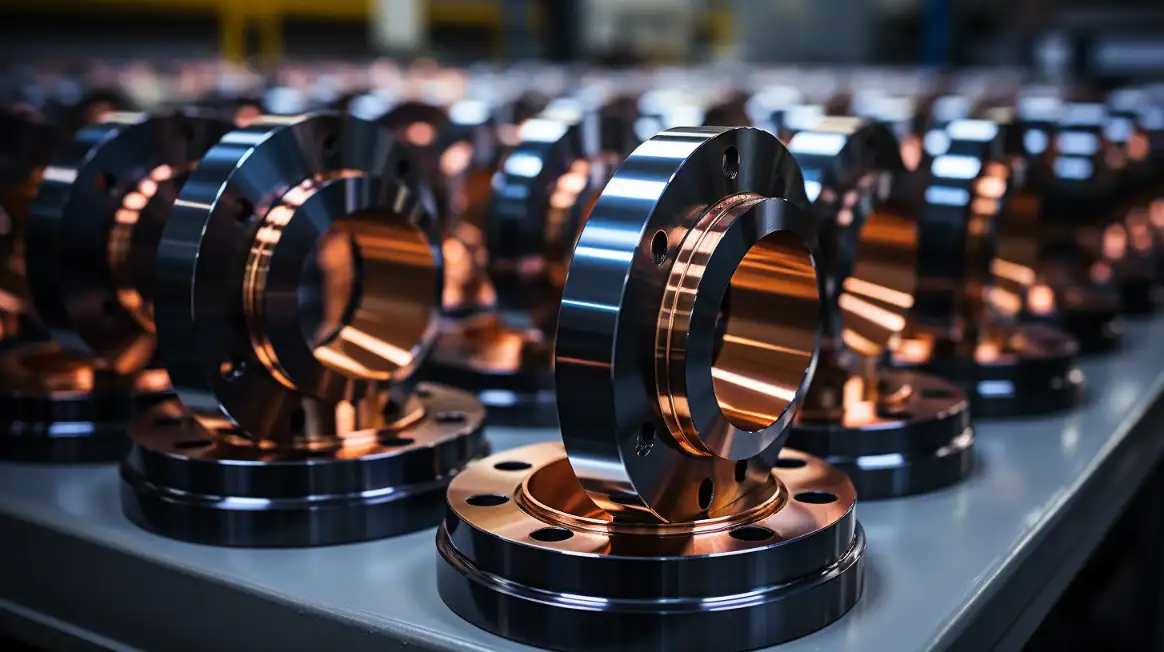
In modern manufacturing and engineering, durability and efficiency are two of the most important factors. Companies and industries are constantly seeking ways to extend the lifespan of materials while also boosting their performance. One of the most effective solutions is Copper Coating, a process that provides both protective and functional benefits across a wide range of applications.
What is Copper Coating?
Copper Coating involves applying a thin layer of copper onto the surface of another material. This is typically done using electroplating, thermal spraying, or chemical methods. The process not only creates an attractive finish but also offers a powerful protective barrier against external factors such as corrosion, wear, and oxidation.
Key Benefits of Copper Coating
By integrating Copper Coating into industrial processes, manufacturers gain multiple advantages:
• Corrosion resistance – Copper’s natural ability to form a protective oxide layer shields materials from moisture, oxygen, and chemical damage.
• Enhanced durability – Products coated with copper have a longer lifespan and require less frequent replacement.
• Excellent conductivity – Copper is known for its superior electrical and thermal conductivity, making it ideal for high-performance components.
• Wear resistance – The coating strengthens surfaces, reducing friction and wear in mechanical systems.
• Aesthetic appeal – Beyond function, Copper Coating also offers an attractive, polished finish for decorative and visible components.
Applications of Copper Coating in Industry
Copper Coating is highly versatile, and its applications span across many industries:
• Electronics and electrical engineering – Used for connectors, printed circuit boards, and conductive parts.
• Automotive and aerospace – Critical components are protected from extreme conditions, wear, and thermal stress.
• Construction and infrastructure – Beams, pipes, and fittings coated with copper gain long-term resistance to rust and degradation.
• Marine environments – Copper helps protect surfaces from seawater corrosion and biofouling.
• Medical equipment – Copper’s natural antimicrobial properties provide added hygiene in healthcare settings.
Copper Coating vs. Other Surface Treatments
While methods such as painting, galvanization, or nickel plating are still widely used, Copper Coating offers a unique combination of durability and functionality. Paint may chip or peel, while galvanization lacks the same level of conductivity. Copper provides both strong protection and enhanced performance, making it a superior choice in many situations.
Sustainability and Long-Term Value
Another important advantage of Copper Coating is sustainability. Copper is recyclable, and its long-lasting protective qualities reduce the need for frequent replacements. This contributes to lower resource consumption, cost savings, and greener industrial practices.
In industries where performance and reliability matter, Copper Coating stands out as a highly effective solution. It not only extends the durability of materials but also improves their functional capabilities, from corrosion resistance to conductivity. As demand for sustainable and high-performing materials grows, Copper Coating is set to play an increasingly important role in modern manufacturing and engineering.