
The human body has an impressive ability to repair itself. Even a small cut on the skin triggers a chain of biological responses designed to protect the body and rebuild damaged tissue. Blood cells rush to the area, new skin cells begin forming, and the body gradually restores the injured spot. While this process happens naturally, the speed of healing can vary greatly from person to person.
Some wounds heal within a few days, while others may take weeks to recover. The difference often depends on several physical and environmental factors. Age, nutrition, overall health, and the condition of the skin all influence how efficiently the body repairs tissue. In discussions about supporting the body’s natural recovery processes, certain wellness approaches are sometimes explored alongside good wound care practices. For instance, methods such as Celluma Red Light Therapy are occasionally mentioned in skin-care settings where professionals focus on encouraging healthier skin recovery.
Understanding what affects wound healing can help people support their body’s natural repair process more effectively.
Key Takeaways
- Wound healing depends on the body’s ability to rebuild damaged tissue.
- Proper nutrition provides essential nutrients needed for tissue repair.
- Age and overall health can influence how quickly wounds close.
- Good blood circulation helps deliver oxygen and nutrients to the injured area.
- Skin care practices and supportive wellness approaches may assist the natural healing process.
The Role of Nutrition in Tissue Repair
Nutrition is one of the most important elements influencing wound healing. When the body repairs damaged skin, it requires a steady supply of vitamins, minerals, and proteins. These nutrients help build new cells and strengthen the skin barrier.
Protein plays a key role because it supports the formation of collagen, which is necessary for rebuilding tissue. Vitamins such as vitamin C and vitamin A also contribute to the healing process. Vitamin C helps the body produce collagen, while vitamin A supports skin cell growth.
Minerals like zinc also help regulate the body’s repair response. When these nutrients are lacking, wounds may take longer to close. Eating balanced meals that include fruits, vegetables, whole grains, and protein sources helps provide the nutrients needed for faster healing.
Blood Circulation and Oxygen Supply
Healthy blood circulation is another major factor affecting wound healing. Blood carries oxygen, nutrients, and immune cells to the damaged area. These components work together to remove damaged tissue and create new skin.
When circulation is reduced, the healing process may slow down. Conditions such as diabetes or poor cardiovascular health can sometimes limit blood flow, making it harder for the body to repair wounds quickly.
Regular physical activity can support circulation by helping blood move efficiently throughout the body. Even simple activities like walking can encourage better oxygen delivery to skin tissues.
Age and Skin Regeneration
Age also affects how quickly wounds heal. Younger skin tends to repair itself more efficiently because cell turnover happens more rapidly. As people grow older, the body produces collagen more slowly and the skin becomes thinner.
This does not mean wounds cannot heal properly in older adults, but the process may take longer. Maintaining good hydration, balanced nutrition, and gentle skin care routines can help support the skin’s natural regeneration ability as the body ages.
The Impact of Overall Health
A person’s overall health plays a significant role in recovery. Chronic conditions such as diabetes or immune disorders may slow the body’s healing response. These conditions can affect circulation, inflammation levels, or the body’s ability to rebuild tissue.
Stress and sleep patterns can also influence healing. When the body experiences high stress or insufficient sleep, the immune system may not function at its best. Proper rest allows the body to focus on repairing damaged tissues.
Maintaining a healthy lifestyle with balanced meals, regular exercise, and adequate sleep supports the body’s natural ability to recover from injuries.
Celluma Light Therapy and Wound Healing Support
In recent years, some wellness and skin-care environments have explored complementary approaches that may assist the body’s natural repair mechanisms. One method sometimes discussed in this context is Celluma Red Light Therapy.
This approach involves controlled light exposure that aims to support cellular activity within the skin. By encouraging certain biological processes in skin cells, Celluma Red Light Therapy is occasionally included in treatment plans designed to promote healthier skin recovery. While it is not a substitute for proper medical care or healthy lifestyle habits, it may be used as a supportive element within broader strategies focused on improving the wound healing environment.
Proper Wound Care Practices
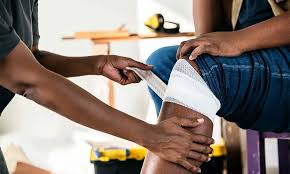
Basic wound care also plays a major role in how quickly skin repairs itself. Cleaning a wound properly helps prevent infection, which can significantly delay healing. Covering the wound with a clean dressing protects it from bacteria and external irritation.
Moisture balance is also important. Contrary to common belief, wounds often heal faster in a slightly moist environment rather than when left completely dry. Modern wound dressings are designed to maintain the right level of moisture while still protecting the skin.
Following proper care instructions and monitoring the wound regularly can help ensure that the healing process moves forward without complications.
Conclusion
Wound healing is a complex process influenced by many different factors. Nutrition, circulation, age, and overall health all play a role in determining how quickly damaged skin repairs itself. Lifestyle habits such as getting enough sleep and managing stress also affect the body’s ability to recover.
By supporting the body with proper care and healthy daily routines, it becomes easier to encourage faster and more effective healing. In some cases, supportive wellness approaches may also be considered alongside traditional care methods. Understanding these influences helps individuals make informed choices that promote better skin recovery and long-term health.