The Pros and Cons of Working Out at Home
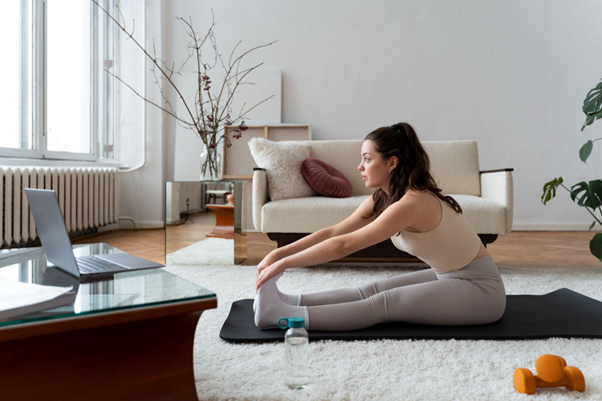
Working out at home has become a popular option for many people. It offers flexibility, comfort, and privacy, though it also presents a few challenges. The convenience of your own space can motivate you to stay consistent while allowing you to set your own pace. Before transforming your living area into a workout zone, it helps to look at the benefits and practical considerations that come with home fitness routines.
The Advantages of Exercising at Home
Convenience is one of the greatest strengths of home workouts. You can start a session at any time without needing to plan around gym hours or travel. There is no waiting for equipment or adjusting to another person’s schedule. Exercising in your own space allows you to train with focus and consistency.
For those using dumbbell exercises at home, flexibility is a major benefit. Dumbbells take up minimal space and can support a range of movements, including curls, squats, presses, and lunges. A small set can provide full-body training opportunities. This makes it easier for beginners and busy individuals to maintain strength and fitness at their own pace.
Cost savings also make home workouts appealing. Gym memberships, transportation, and class fees can accumulate over time. With a few basic items and accessible online resources, anyone can follow a routine that meets their goals. A pair of dumbbells, a mat, and some resistance bands can cover most exercises. The investment is simple and practical.
Privacy adds another advantage. Working out at home allows you to focus without distraction. It provides a comfortable space to learn form and build confidence gradually. Progress becomes personal, encouraging steady improvement over time.
The Challenges of Home Workouts
While home workouts are convenient, some practical challenges may arise. Space can be limited, particularly in smaller homes, which may make certain exercises less comfortable. Planning your setup carefully ensures safety and freedom of movement.
Motivation can also fluctuate when exercising alone. Without a structured schedule, it might take extra effort to stay consistent. Setting goals and tracking progress can help build discipline. Online workout groups and live classes offer extra support and engagement.
Those who practise dumbbell exercises at home may reach a point where their current weights no longer feel challenging. Adjustable dumbbells can help increase resistance without taking up additional space. Including bodyweight exercises and creative routines keeps training balanced and enjoyable.
Safety is another consideration. Correct form prevents strain and helps maintain progress. Watching instructional videos and practising slowly improves confidence. Gradual progression reduces the risk of injury while still promoting growth.
ALSO READ: How To Prevent Muscle Cramps After A Workout: Expert Tips
Finding Balance Between Gym and Home
A balanced approach often works best. Home workouts offer flexibility, while gyms provide additional tools and social interaction. Some people use both settings to keep their routine engaging. The key is to choose what fits your schedule and comfort level.
Integrating dumbbell exercises at home into a wider fitness plan supports long-term consistency. For instance, quick morning sessions can maintain strength between gym visits. This combination encourages variety without adding complexity.
Personalisation is another benefit of home workouts. You can select your music, adjust your environment, and rest when needed. Exercising becomes an enjoyable habit rather than an obligation. The focus stays on improvement and well-being.
The Future of Home Fitness
Digital platforms have made home fitness more accessible. Virtual coaching, live classes, and fitness apps allow people to train effectively from anywhere. Compact equipment such as adjustable dumbbells and foldable benches make home setups easier to manage.
The success of any fitness routine depends on steady effort. Whether training at home or in a gym, consistency matters most. Regular movement supports both physical strength and mental clarity. People who rely on dumbbell exercises at home benefit from convenience and control. Setting achievable goals, tracking progress, and maintaining discipline help ensure lasting results. Fitness works best as a steady practice that builds over time.
Home workouts promote independence, focus, and flexibility. Gyms provide variety and social energy. Whichever setting you prefer, the key is to keep moving and stay motivated. A well-balanced routine will always support a healthy and active lifestyle. Visit Taste of SG to read more lifestyle guides and fitness tips that keep your routine in shape.